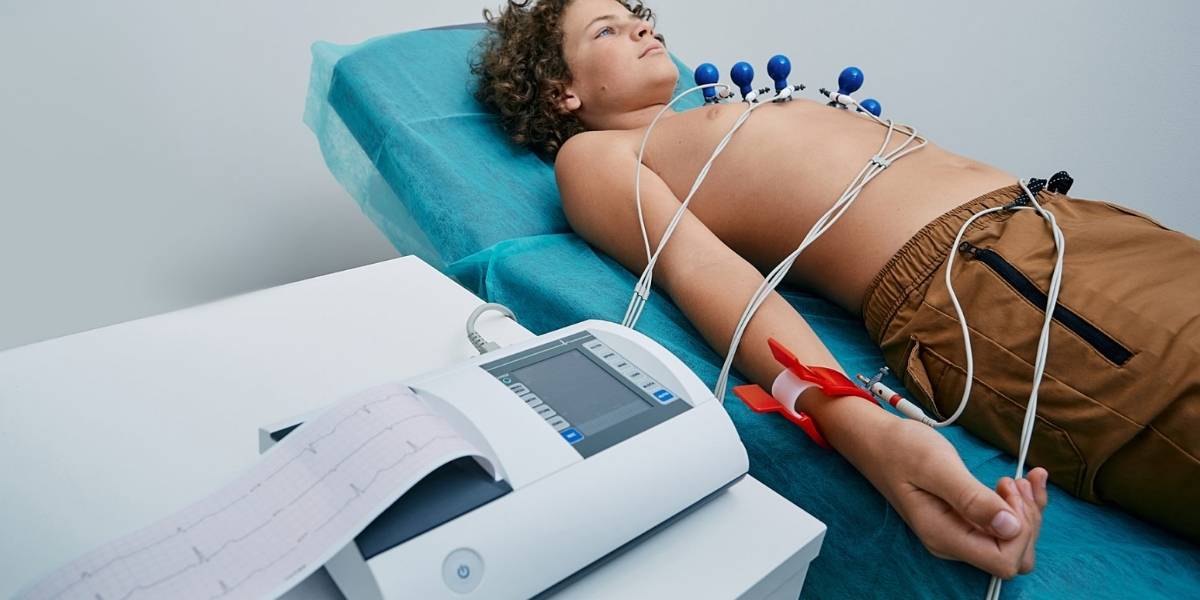

World Heart Day – 29 September is an opportunity to focus on cardiovascular health and encourage people to understand their individual heart health and risk factors. In 2026, World Heart Day falls on 29 September, with the World Heart Federation highlighting the message “Heart disease can hide in plain sight: Don’t miss a beat.”
For people living in Springwood and surrounding suburbs, including Loganholme, Daisy Hill, Underwood, Rochedale, Slacks Creek, Shailer Park, Eight Mile Plains, Sunnybank and Mount Gravatt, the day can be a useful reminder to pay attention to cardiovascular health and discuss concerns with a qualified healthcare professional.
Heart health is not only about responding to symptoms. Understanding factors such as blood pressure, cholesterol, diabetes, smoking, physical activity and family history can form part of preventive healthcare. Some cardiovascular risk factors may not cause noticeable symptoms, which is why regular health assessments can be useful.
What Is World Heart Day?
World Heart Day takes place on 29 September each year and is supported internationally by the World Heart Federation. The day aims to raise awareness about cardiovascular disease and encourage people to take action to support heart health.
World Heart Day 2026 provides an opportunity to think about the factors that can affect cardiovascular health and whether you have discussed your individual risk with your doctor.
For Australians, heart health awareness can include understanding blood pressure and cholesterol, staying physically active, following a balanced eating pattern, avoiding smoking and discussing relevant health concerns with a GP.
The Australian Heart Foundation also recommends understanding your cardiovascular risk and addressing modifiable risk factors as part of heart health.
Why Is Heart Health Awareness Important?
Heart health awareness involves more than knowing the symptoms of a heart problem. It also means understanding factors that may increase your risk of cardiovascular disease.
Some risk factors can be managed through lifestyle changes and healthcare, while others cannot be changed.
Factors that may be relevant include:
- High blood pressure
- High cholesterol
- Diabetes
- Smoking
- Physical inactivity
- Excess weight
- Family history of heart disease
- Age
- Other existing health conditions
The Heart Foundation explains that factors including high blood pressure, high cholesterol and diabetes can increase the chance of developing heart disease. Age, ethnicity and family history are among factors that cannot be changed.
Understanding these factors can help you have more informed conversations with your healthcare professional.
Heart Health in Springwood and Surrounding Suburbs
For people looking for heart health in Springwood, discussing cardiovascular risk with your GP can be a practical starting point.
A GP can review your medical and family history, assess relevant risk factors and determine whether further investigation or specialist referral may be appropriate.
For those searching for a cardiologist in Springwood, a cardiologist can provide specialist assessment when a cardiovascular concern requires further evaluation.
People living in nearby suburbs may also search for a cardiologist in Loganholme, cardiologist in Daisy Hill, cardiologist in Underwood or cardiologist in Rochedale. Similarly, people in Slacks Creek, Shailer Park, Eight Mile Plains, Sunnybank and Mount Gravatt may seek cardiovascular services within a reasonable distance of home.
Where specialist assessment is appropriate, your GP can help determine whether referral to a cardiologist is suitable for your circumstances.
What Is a Heart Health Check?
A heart health check in Springwood can help you understand your cardiovascular risk and identify areas that may need attention.
The Australian Heart Foundation describes a Heart Health Check as a consultation designed to assess a person’s risk of having a heart attack or stroke over the next five years. It can involve reviewing medical and family history, checking blood pressure, cholesterol and blood sugar, assessing risk and developing an appropriate management plan.
The Heart Foundation states that people without known heart disease are generally eligible for a Heart Health Check from age 45, people living with diabetes from age 35, and First Nations people from age 30. Individual circumstances may affect what healthcare is appropriate.
A Heart Health Check does not mean that everyone needs the same tests or treatment. Your healthcare professional can assess your circumstances and discuss the appropriate next steps.
Understanding Cardiovascular Risk
Cardiovascular health can be influenced by several factors.
Some risks can be modified, including:
- Smoking
- Physical inactivity
- Unhealthy eating patterns
- High blood pressure
- High cholesterol
- Some aspects of weight management
- Diabetes management
Other factors, including age and family history, cannot be changed.
This is why cardiovascular risk assessment should consider the whole picture rather than focusing on one measurement alone.
If you have a family history of heart disease, high blood pressure or cholesterol, diabetes or other relevant health concerns, tell your GP. This information can help inform your cardiovascular risk assessment.
Heart Health Around Logan and Brisbane’s Southern Suburbs
Heart health is relevant across communities, not only for people who already have a diagnosed heart condition.
If you live in Loganholme, you may search for a cardiologist in Loganholme when looking for specialist cardiovascular assessment.
Residents of Daisy Hill may search for a cardiologist in Daisy Hill, while people in Underwood may look for a cardiologist in Underwood.
Similarly, searches for a cardiologist in Rochedale, cardiologist in Slacks Creek or cardiologist in Shailer Park may reflect the need for accessible specialist care close to home.
People in the southern Brisbane suburbs may also be interested in heart health in Eight Mile Plains, heart health in Sunnybank and heart health in Mount Gravatt.
The most appropriate location for specialist care will depend on your referral, clinical needs and available services.
When Might a Cardiologist Be Involved?
A cardiologist in Springwood may be involved when a GP identifies a concern that requires specialist cardiovascular assessment.
Depending on the circumstances, referral may be considered for:
- Symptoms that require further assessment
- An abnormal cardiac test
- Concerns about cardiovascular risk
- Blood pressure-related concerns
- A relevant family history
- An existing heart condition
- Ongoing monitoring of a cardiovascular condition
A referral does not necessarily mean that a serious condition has been identified. It can simply allow a specialist to assess a concern in more detail.
The type of assessment required will depend on your symptoms, medical history and clinical findings.
Looking After Your Heart Every Day
Heart health is influenced by everyday habits as well as medical care.
The Heart Foundation recommends practical measures such as being physically active, maintaining a healthy eating pattern, being smoke-free and managing blood pressure and cholesterol.
Stay physically active
Regular physical activity can support cardiovascular health and can help with factors such as blood pressure and weight.
Choose a balanced eating pattern
A balanced eating pattern that includes a variety of vegetables, fruit, wholegrains and suitable sources of protein and healthy fats can form part of a heart-healthy lifestyle.
Know your numbers
Understanding your blood pressure, cholesterol and blood sugar can provide useful information about cardiovascular risk.
Avoid smoking
Smoking is a cardiovascular risk factor. If you smoke and would like to quit, speak with your GP about available support.
Know your family history
Family history can be relevant when assessing cardiovascular risk. Let your healthcare professional know if close family members have experienced heart disease or cardiovascular conditions.
World Heart Day September 29: A Reminder to Check In
World Heart Day September 29 is a useful reminder to think about your heart health, even if you currently feel well.
Some risk factors, including high blood pressure and high cholesterol, may not produce obvious symptoms. The Heart Foundation notes that people may not know their cardiovascular risk because these risk factors can be silent.
If you have not discussed your cardiovascular risk with your GP, World Heart Day can be an appropriate prompt to start that conversation.
For people searching for a heart health check in Springwood, a GP can assess your individual circumstances and determine whether a Heart Health Check or another form of assessment is appropriate.
When Should You Seek Urgent Medical Attention?
Heart-related symptoms should always be taken seriously.
Warning signs of a heart attack can include chest discomfort or pain, discomfort in the arm, shoulder, back, neck or jaw, shortness of breath, sweating, nausea or feeling light-headed. Symptoms can vary between people.
If you think you may be having a heart attack, call Triple Zero (000) for emergency medical assistance. The Heart Foundation recommends calling 000 if heart attack warning signs continue or do not improve.
Do not delay emergency care while waiting for a routine GP or cardiology appointment.
Heart Health Awareness Beyond World Heart Day
World Heart Day Australia is an annual opportunity to raise awareness, but cardiovascular health deserves attention throughout the year.
Regular healthcare, awareness of individual risk factors and appropriate lifestyle changes can all form part of maintaining heart health. If you have concerns about your cardiovascular health, speak with your GP or an appropriately qualified cardiology professional.
Whether you live in Springwood, Loganholme, Daisy Hill, Underwood, Rochedale, Slacks Creek, Shailer Park, Eight Mile Plains, Sunnybank or Mount Gravatt, the first step may simply be understanding your individual heart health and discussing any concerns with a healthcare professional.
Frequently Asked Questions
Lorem ipsum dolor sit amet, consectetur adipiscing elit. Ut elit tellus, luctus nec ullamcorper mattis, pulvinar dapibus leo.
World Heart Day is observed every year on 29 September to raise awareness about cardiovascular disease and encourage people to learn more about heart health. In 2026, World Heart Day falls on 29 September.
World Heart Day provides an opportunity to learn about cardiovascular health, understand risk factors and consider whether you should discuss your heart health with your GP.
A Heart Health Check is an assessment that helps determine a person’s risk of having a heart attack or stroke over the next five years. It can include reviewing medical and family history, checking blood pressure, cholesterol and blood sugar, assessing cardiovascular risk and developing an appropriate management plan.
You can start by speaking with your GP about your cardiovascular risk. Depending on your circumstances, your GP may conduct a Heart Health Check or discuss whether further assessment or specialist referral is appropriate.
Your GP may recommend cardiology assessment if you have symptoms, relevant risk factors, an abnormal test result or an existing cardiovascular condition requiring specialist care.
People living in surrounding suburbs such as Loganholme and Daisy Hill can discuss their healthcare needs with their GP and ask whether referral to a cardiologist is appropriate. The suitable specialist and location will depend on individual circumstances and available services.
If you live in Underwood, Rochedale, Slacks Creek or Shailer Park and require cardiology assessment, your GP can discuss referral options based on your clinical needs and location.
Yes. Cardiovascular risk is relevant regardless of where you live. People in Eight Mile Plains, Sunnybank and Mount Gravatt can discuss their individual risk factors and preventive health needs with their GP.
Not all risk factors can be changed. However, understanding your individual risk and addressing modifiable factors such as smoking, physical inactivity, high blood pressure and high cholesterol may help reduce cardiovascular risk.
If you think you may be having a heart attack, call Triple Zero (000) for emergency assistance. Do not wait for a routine appointment.
Take a Moment for Your Heart This World Heart Day
World Heart Day 2026 is a reminder to pay attention to your cardiovascular health and understand your individual risk.
For people in Springwood and surrounding suburbs, this may be a good opportunity to discuss heart health with a GP, understand whether a Heart Health Check is appropriate and seek specialist assessment when clinically indicated.
Your heart health is individual. Any investigation, diagnosis or treatment should be based on your personal medical history and assessment by an appropriately qualified healthcare professional.
If you have concerns about your heart health, speak with your GP or an appropriate healthcare professional about the next step for you.
This article provides general health information and is not a substitute for personalised medical advice. It does not constitute a diagnosis or treatment recommendation. Healthcare, investigations and referrals should be determined by an appropriately qualified healthcare professional based on individual circumstances.