
Why Your Cardiologist May Recommend a Holter Monitor Test

If you have been experiencing symptoms such as palpitations, dizziness, chest discomfort, fainting episodes, or an unusually fast or slow heartbeat, your cardiologist may recommend a Holter monitor test. This simple and non-invasive assessment plays an important role in identifying irregular heart rhythms that may not appear during a standard ECG performed at a clinic.

For many patients seeking heart bug monitoring Springwood services, a Holter monitor can provide valuable insight into how the heart functions throughout normal daily activities. Whether you are noticing occasional symptoms or managing an existing heart condition, understanding the purpose of this test can help you feel more prepared and informed before your appointment.

What is a Holter monitor test?

A Holter monitor is a portable device used for continuous heart rhythm monitoring over a period of 24 to 48 hours, and sometimes longer depending on your symptoms and your cardiologist’s recommendations. Small electrodes are attached to the chest and connected to a lightweight recording device that tracks the electrical activity of your heart while you go about your normal routine.

Unlike a standard ECG, which records heart activity for only a few seconds, a Holter monitor provides extended cardiac monitoring Springwood patients can rely on to capture irregular heart rhythms that may occur intermittently throughout the day or night.

Many patients searching for heart bug monitoring near me are often referred for a Holter monitor test when symptoms are difficult to detect during a short clinic visit.

Why might a cardiologist recommend a Holter monitor?

A cardiologist may suggest a Holter monitor test for several reasons. The goal is to better understand how your heart behaves over time and identify any abnormal rhythms that could require further investigation or treatment.

Investigating heart palpitations

Heart palpitations can feel like fluttering, racing, pounding, or skipped beats. While occasional palpitations may be harmless, persistent or recurrent symptoms should be assessed properly.

A Holter monitor helps detect rhythm abnormalities such as atrial fibrillation, supraventricular tachycardia, or premature beats that may not occur during a routine ECG appointment. Patients undergoing Holter monitor Springwood assessments often do so because of unexplained palpitations affecting their daily comfort or wellbeing.

Assessing dizziness or fainting

Episodes of dizziness, light-headedness, or fainting may sometimes be linked to irregular heart rhythms. If the heart beats too slowly or too quickly, it can temporarily reduce blood flow to the brain.

Continuous heart rhythm monitoring Logan services allow cardiologists to determine whether abnormal heart activity is contributing to these symptoms. Identifying the underlying cause is important for appropriate management and patient safety.

Monitoring known heart conditions

Patients with diagnosed heart conditions may require regular monitoring to evaluate treatment effectiveness or disease progression. Holter monitoring can help assess how medications are working and whether additional treatment adjustments may be needed.

This type of cardiac monitoring Springwood service is commonly recommended for patients with atrial fibrillation, heart failure, previous heart attacks, or other rhythm-related conditions.

Evaluating chest discomfort

Although chest pain can have many causes, some cases may be associated with abnormal heart rhythms or reduced blood flow to the heart. A Holter monitor can assist in identifying rhythm disturbances occurring during symptomatic episodes.

Patients searching for irregular heartbeat test near me may undergo Holter monitoring as part of a broader cardiac assessment recommended by their specialist.

What happens during the test?

A Holter monitor test is straightforward and does not usually require special preparation. During your appointment, a healthcare professional will attach several adhesive electrodes to your chest. These electrodes are connected to a small portable monitor that can be worn around the waist or over the shoulder.

You will typically be asked to continue your normal daily activities while wearing the monitor. This helps provide an accurate picture of how your heart functions during routine movement, work, sleep, and exercise.

Your cardiologist may also ask you to keep a diary of symptoms and activities throughout the monitoring period. Recording when symptoms occur can help correlate physical sensations with changes in heart rhythm.

For patients undergoing heart bug monitoring Springwood, following instructions carefully during the test helps ensure reliable and useful results.

Are there any restrictions while wearing a Holter monitor?

Most patients can continue their regular activities while wearing the device. However, there are a few precautions to keep in mind.

You may be advised to avoid showering, swimming, or activities that could expose the monitor to water unless you have been provided with a waterproof device. It is also important to ensure the electrodes remain attached properly throughout the monitoring period.

Your healthcare provider will explain how to care for the monitor and what to do if any electrodes become loose.

Patients receiving Holter monitor Logan assessments are usually encouraged to maintain their typical routine so that the monitor can capture realistic heart activity patterns.

What can a Holter monitor detect?

A Holter monitor can identify a wide range of heart rhythm abnormalities, including:

Atrial fibrillation
An irregular and often rapid heartbeat that increases stroke risk.


Bradycardia
A slower than normal heart rate that may contribute to dizziness or fatigue.


Tachycardia
An abnormally fast heart rhythm that may cause palpitations or chest discomfort.


Premature heartbeats
Extra beats that may feel like skipped or fluttering sensations.


Pauses in heart rhythm
Temporary interruptions in the heart’s electrical activity.

Comprehensive heart rhythm monitoring helps cardiologists determine whether these abnormalities are occasional, persistent, or associated with specific symptoms.

Is a Holter monitor test safe?

A Holter monitor test is considered safe, non-invasive, and painless for most patients. The electrodes placed on the skin may occasionally cause mild irritation, but serious complications are rare.

Because the device only records electrical activity and does not deliver electricity to the body, there is no risk of electric shock during monitoring.

Patients seeking heart bug monitoring near me can generally feel reassured that Holter monitoring is a routine and widely used diagnostic tool in cardiology care.

When should you speak to a cardiologist?

If you are experiencing symptoms such as unexplained palpitations, chest discomfort, fainting, dizziness, or shortness of breath, it is important to seek medical advice promptly. Early assessment may help identify potential heart rhythm concerns before complications develop.

A cardiologist can determine whether irregular heartbeat monitoring or a Holter monitor test may be appropriate based on your symptoms, medical history, and overall cardiovascular risk factors.

Patients looking for Holter monitor Springwood or heart rhythm monitoring Logan services should choose a qualified healthcare provider experienced in comprehensive cardiac assessment and monitoring.

Understanding Your Heart Health Numbers: BP, Cholesterol & BMI

Understanding your heart health is not about waiting for symptoms. It is about knowing the numbers that quietly reveal how your body is functioning over time. For people living in Springwood and Brisbane’s southside, routine health screening plays an important role in preventing long term cardiovascular problems and supporting early intervention when risks begin to develop.

This guide breaks down three of the most important health indicators, blood pressure, cholesterol and BMI, and explains how they work together in a practical and clinically responsible way to assess heart health risk.

Why heart health numbers are important in everyday care

Heart disease often develops gradually without obvious warning signs. Many individuals feel completely well while risk factors are building in the background. This is why regular monitoring is essential rather than waiting for discomfort or illness.

A structured heart health assessment near Springwood provides a clearer picture of cardiovascular risk by reviewing measurable indicators rather than relying on symptoms alone. These results help guide preventive care decisions and support long term health planning in a safe and evidence based manner.

For residents seeking a doctor heart risk check Springwood QLD, understanding these key numbers is the foundation of informed health awareness.

Blood pressure and what it tells you about your heart

Blood pressure measures the force of blood against artery walls as the heart pumps. It is one of the most important indicators of cardiovascular strain.

A blood pressure check Springwood QLD is commonly used to identify whether the heart is working harder than it should. Consistently high readings may indicate hypertension, which increases the risk of heart attack, stroke and kidney disease over time.

Blood pressure can fluctuate due to stress, physical activity, caffeine intake and even the time of day. This is why healthcare professionals usually take multiple readings before making any conclusions.

Monitoring trends over time is more reliable than relying on a single measurement, especially when evaluating long term cardiovascular risk in a preventive heart check Springwood.

Cholesterol and its impact on arteries

Cholesterol is a natural fat found in the blood that is necessary for hormone production and cell function. However, imbalance in cholesterol levels can contribute to plaque buildup inside arteries, reducing blood flow and increasing cardiovascular risk.

A cholesterol test Springwood southside Brisbane typically measures LDL cholesterol, HDL cholesterol and total cholesterol levels. LDL cholesterol is associated with increased risk when elevated, while HDL cholesterol plays a protective role by helping remove excess cholesterol from the bloodstream.

Cholesterol results are not interpreted in isolation. Age, medical history, lifestyle factors and other health indicators must be considered together for an accurate understanding of risk during a heart health assessment near Springwood.

BMI and its connection to heart health

Body Mass Index, or BMI, is a basic measurement that compares weight to height. It is commonly used as a screening tool to identify whether a person is within a healthy weight range.

A bmi health check Springwood clinic helps identify whether weight may be contributing to increased cardiovascular risk. Higher BMI levels can be associated with conditions such as high blood pressure, type 2 diabetes and elevated cholesterol.

However, BMI is a general indicator and does not distinguish between muscle mass and fat distribution. This means it should always be assessed alongside other clinical measurements rather than used as a standalone diagnosis.

When combined with blood pressure and cholesterol results, BMI helps create a more complete picture of overall heart health risk.

How BP, cholesterol and BMI work together

Each of these indicators provides valuable information on its own, but their true value comes from how they interact.

For example, elevated blood pressure combined with high LDL cholesterol and increased BMI may suggest a higher likelihood of developing cardiovascular disease over time. On the other hand, balanced readings across all three indicators generally reflect a lower risk profile, although ongoing monitoring remains important.

A doctor heart risk check Springwood QLD typically evaluates all these factors together, along with lifestyle habits, family history and other medical considerations, to guide appropriate preventive care.

This combined approach ensures decisions are based on a complete health profile rather than isolated readings.

Preventive screening in Springwood and Brisbane southside

Preventive care focuses on identifying risks early before they progress into serious health conditions. In Springwood and surrounding Brisbane southside communities, routine screening is an important part of maintaining long term cardiovascular health.

A preventive heart check Springwood may include blood pressure measurement, cholesterol testing, BMI assessment and a lifestyle review. These checks are often recommended even when no symptoms are present, particularly for adults with risk factors such as family history, smoking or sedentary lifestyle.

Early identification of risk allows for timely changes in lifestyle or medical management, which can significantly improve long term outcomes when supported by regular follow up.

Access to heart health services in Springwood

Many individuals prefer convenient and affordable care options such as bulk billing health check Springwood services. Accessibility encourages more people to undergo regular screening, which is essential for early detection and prevention.

Clinics in the Springwood area often provide integrated assessments where multiple heart health indicators are checked in one visit. This ensures consistency in testing and allows for more accurate interpretation of results over time.

When choosing a heart health assessment near Springwood, it is important to seek care from qualified medical professionals who follow structured clinical processes and provide personalised advice based on individual risk profiles.

Why ongoing monitoring matters

Heart health is not determined by a single test. It is shaped by patterns over time. Regular monitoring helps identify small changes early, allowing for timely adjustments in lifestyle or treatment when needed.

Simple habits such as regular physical activity, balanced nutrition, adequate sleep and stress management can positively influence blood pressure, cholesterol and BMI. However, these changes are most effective when supported by periodic clinical review.

Ongoing assessment ensures that improvements are sustained and that any emerging risks are addressed early rather than after complications develop.

Bulk Billed Echocardiogram Services in Springwood

Access to affordable and high-quality cardiac care is essential for maintaining a healthy heart, especially for families and individuals across Brisbane’s Southside. For residents in and around Springwood, finding reliable and cost-effective diagnostic services is becoming increasingly important. One of the most commonly recommended heart tests is an echocardiogram, also known as an echo test. If you’ve been searching for a bulk billed echocardiogram Springwood, you’re in the right place to understand your options and why early testing matters.

An echocardiogram is a safe, non-invasive ultrasound scan that produces detailed images of your heart. It allows healthcare professionals to evaluate heart function, detect abnormalities, and diagnose conditions such as valve disease, cardiomyopathy, and heart failure. With growing awareness of preventive health, more patients are actively searching for an echo test near me that is both accessible and affordable.

Why Choose a Bulk Billed Echocardiogram in Springwood?

Choosing a bulk billed echocardiogram Springwood service ensures you receive essential heart diagnostics without the burden of out-of-pocket costs. For many individuals and families, this makes a significant difference, particularly when ongoing monitoring or follow-up tests are required. Bulk billing, when eligible through Medicare, removes financial barriers and encourages patients to prioritise their heart health.

Springwood has become a convenient healthcare hub for Brisbane’s Southside, offering access to modern clinics and experienced professionals. This means you can book an echo test Springwood close to home without the need to travel into busy city centres. The availability of bulk billed echo near me services ensures that timely care is within reach for everyone.

Understanding the Importance of Echo Tests

Heart disease often develops silently, with symptoms appearing only in later stages. That’s why early detection is crucial. An echo test Springwood can identify potential issues before they become serious, allowing for early intervention and better outcomes.

Many patients search for an echo test near me when experiencing symptoms such as chest pain, shortness of breath, fatigue, or irregular heartbeats. However, echocardiograms are not just for symptomatic patients, they are also used for routine monitoring, especially for those with existing heart conditions or risk factors like high blood pressure or diabetes.

Access to a bulk billed echocardiogram Springwood encourages more people to undergo regular screenings, which plays a vital role in preventive healthcare across the community.

What to Expect During an Echo Test in Springwood

Booking an echo test Springwood is a straightforward process. Once you have a referral from your GP, you can schedule an appointment at a nearby clinic offering bulk billing services. The procedure itself is simple, painless, and typically takes between 20 to 40 minutes.

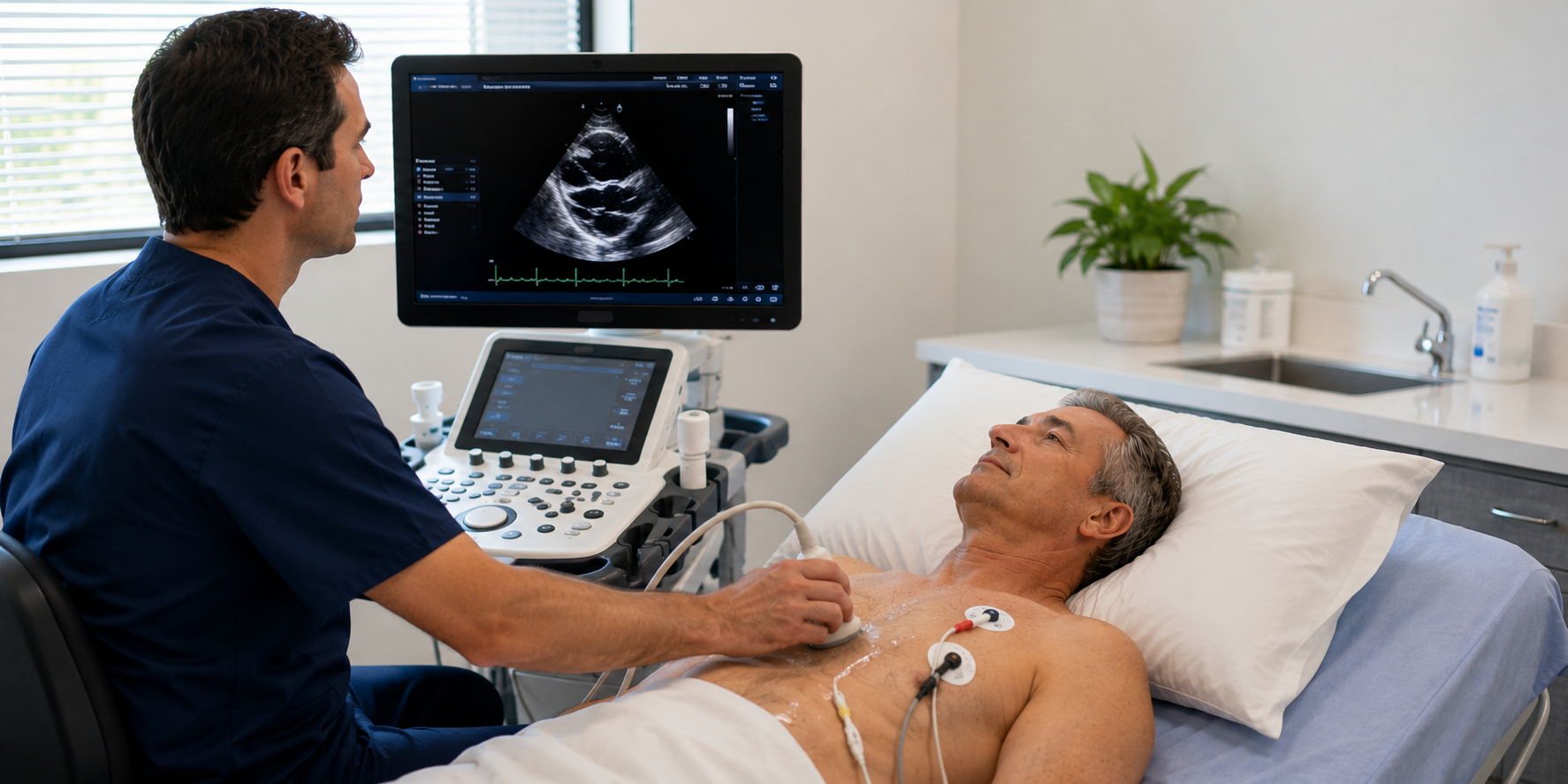
During the test, a trained sonographer uses a handheld device to capture images of your heart using ultrasound waves. These images are then reviewed by a specialist to assess heart structure and function. Clinics providing bulk billed echo near me services often use advanced imaging technology, ensuring accurate and reliable results.

Patients appreciate the convenience and comfort of undergoing an echo test Springwood, as there is no downtime required, you can return to your normal activities immediately after the procedure.

Finding the Right Echo Test Near You

When searching for an echo test near me, it’s important to choose a provider that offers both quality and convenience. Not all clinics are the same, so consider factors such as staff experience, equipment quality, and turnaround time for results.

Springwood stands out as a preferred location for many patients due to its accessibility and range of healthcare services. Choosing a bulk billed echocardiogram Springwood provider means you can access reliable diagnostics without long waiting periods or high costs.

Additionally, some clinics offer integrated services, including consultations with a bulk billed cardiologist near me. This allows for seamless care, as your test results and treatment plan can be managed in one place.

Medicare and Bulk Billing Eligibility

To access a bulk billed echocardiogram Springwood, you will typically need a valid referral from a GP. This referral must meet Medicare criteria to ensure the test is fully covered. Without it, you may be required to pay out-of-pocket fees.

If you’re unsure about your eligibility, it’s best to consult your GP, who can guide you through the process and determine whether an echocardiogram is necessary. Many patients searching for a bulk billed echo near me are eligible but may not realise the importance of obtaining the correct referral.

Understanding this process helps you avoid unexpected costs and ensures a smoother experience when booking your echo test Springwood.

Benefits of Choosing a Bulk Billed Cardiologist Near You

Working with a bulk billed cardiologist near me offers several advantages beyond affordability. It ensures continuity of care, faster diagnosis, and personalised treatment plans tailored to your specific needs.

In Springwood, many healthcare providers offer both diagnostic and specialist services, allowing patients to receive comprehensive care under one roof. This is particularly beneficial for individuals who require ongoing monitoring or follow-up appointments after their echo test Springwood.

The combination of accessibility, expertise, and affordability makes Springwood an ideal choice for cardiac care across Brisbane’s Southside.

Supporting Heart Health in Brisbane’s Southside

Communities across Brisbane’s Southside are increasingly prioritising preventive healthcare, and access to bulk billed echocardiogram Springwood services plays a key role in this shift. By making essential diagnostics more accessible, healthcare providers are helping patients take control of their heart health.

Whether you are managing a chronic condition or simply seeking reassurance, booking an echo test near me is a proactive step toward better health. Early detection can prevent complications, reduce hospitalisations, and improve overall quality of life.

The growing demand for bulk billed echo near me services highlights the importance of accessible healthcare options that meet the needs of the community.

Conclusion

Heart health should never be compromised due to cost or accessibility. With the availability of bulk billed echocardiogram Springwood, echo test Springwood, and bulk billed echo near me services, residents across Brisbane’s Southside can now access high-quality cardiac diagnostics with ease.

If you’ve been searching for an echo test near me or a trusted bulk billed cardiologist near me, now is the time to take action. A simple echocardiogram can provide valuable insights into your heart health and help detect potential issues early.

Springwood continues to be a reliable and convenient destination for cardiac care, offering patient-friendly services that prioritise both quality and affordability. Don’t delay your health, book your echocardiogram today and take a confident step toward a healthier future.

How Lifestyle in Australia Impacts Heart Health

Heart disease remains one of the leading health concerns in Australia — yet many cases are preventable. The way we eat, move, work and manage stress has a powerful impact on our cardiovascular system. From long work hours and sedentary office jobs to weekend barbecues and rising stress levels, modern Australian lifestyle habits are shaping our heart health more than we realise.

The good news? Small, consistent changes can significantly reduce your risk of heart disease. Understanding how lifestyle in Australia affects heart health is the first step towards prevention.

The Australian Lifestyle: A Double-Edged Sword

Australia is known for its outdoor culture, beach lifestyle and active sporting community. However, modern routines often tell a different story. Many Australians spend long hours sitting at desks, commuting by car and relying on convenience foods.

While we have access to excellent healthcare and heart health services, lifestyle-related risk factors continue to rise, including:

  • High blood pressure
  • High cholesterol
  • Obesity
  • Type 2 diabetes
  • Chronic stress

These conditions significantly increase the risk of heart disease and stroke.

Diet Habits and Heart Disease Risk

Diet plays a central role in cardiovascular health. While Australia offers access to fresh produce and lean meats, processed and fast foods are also widely consumed.

Common dietary habits that negatively impact heart health include:

  • High intake of processed foods
  • Excess salt consumption
  • Frequent takeaway meals
  • Sugary drinks
  • Large portion sizes

Excess sodium contributes to high blood pressure, while saturated fats can raise cholesterol levels. Over time, these factors increase strain on the heart and arteries.

Improving heart health often starts in the kitchen. Choosing whole foods, increasing vegetable intake and reducing processed meals can significantly improve cardiovascular outcomes.

Sedentary Work Culture and Reduced Physical Activity

Despite Australia’s reputation for sport and outdoor living, many adults do not meet recommended physical activity guidelines. Office-based roles, screen time and long commuting hours reduce daily movement.

A sedentary lifestyle can lead to:

  • Weight gain
  • Elevated blood pressure
  • Reduced circulation
  • Increased cardiovascular risk

Regular exercise strengthens the heart muscle, improves blood flow and supports healthy cholesterol levels. Even moderate activity such as brisk walking for 30 minutes most days can make a measurable difference.

Stress Levels and Cardiovascular Health

Modern Australian life often involves balancing work, family commitments and financial pressures. Chronic stress triggers hormonal responses that can increase heart rate and blood pressure.

Over time, unmanaged stress may contribute to:

  • Hypertension
  • Irregular heart rhythms
  • Poor sleep quality
  • Emotional eating

Stress management is a critical component of heart disease prevention. Techniques such as mindfulness, regular exercise, adequate sleep and structured downtime support long-term cardiovascular health.

Alcohol Consumption and Social Culture

Alcohol is a common part of social life in Australia. While moderate intake may not pose significant risk for some individuals, excessive drinking can:

  • Raise blood pressure
  • Contribute to weight gain
  • Increase triglyceride levels
  • Trigger irregular heart rhythms

Understanding safe consumption guidelines and moderating intake can reduce long-term cardiac risk.

Smoking and Heart Health

Although smoking rates have declined in Australia, it remains a major contributor to heart disease. Smoking damages blood vessels, reduces oxygen supply and increases clot formation.

Quitting smoking is one of the most powerful steps an individual can take to protect their heart. The benefits begin almost immediately after cessation.

Preventive Cardiology and Early Screening

Preventive cardiology focuses on identifying risk factors before they lead to serious complications. Heart health checks in Australia often include:

  • Blood pressure monitoring
  • Cholesterol testing
  • Blood glucose screening
  • Cardiac risk assessment
  • Lifestyle evaluation

Regular cardiovascular assessment allows early intervention through lifestyle modification or medication when necessary.

Many Australians delay seeing a cardiologist until symptoms appear. However, early heart screening can detect issues before they become severe.

Common Warning Signs Not to Ignore

Lifestyle-related heart conditions may present with subtle symptoms, including:

  • Chest discomfort
  • Shortness of breath
  • Palpitations
  • Unusual fatigue
  • Dizziness

Seeking timely medical advice ensures accurate diagnosis and appropriate management.

The Role of Preventive Healthcare in Australia

Australia’s healthcare system provides access to experienced cardiologists and heart specialists. However, prevention remains more effective than treatment.

Preventive strategies include:

  • Balanced nutrition
  • Regular physical activity
  • Weight management
  • Stress reduction
  • Routine medical check-ups

Community awareness and proactive care are essential in reducing the national burden of cardiovascular disease.

Small Changes That Make a Big Difference

Improving heart health does not require drastic measures. Sustainable adjustments can create long-term benefits.

Consider:

  • Walking during lunch breaks
  • Cooking more meals at home
  • Reducing processed snacks
  • Limiting alcohol intake
  • Scheduling annual heart health checks
  • Practising stress-management techniques

Consistency matters more than perfection.

Why Heart Health Awareness Matters Now

Heart disease often develops silently over years. By the time symptoms appear, damage may already be advanced. Understanding how lifestyle in Australia impacts heart health empowers individuals to take early action.

Prevention is not just about living longer — it is about living better, with energy and confidence.

Heart Health After 40: What Every Australian Needs to Know Before It’s Too Late

Turning 40 is a major milestone. It often brings greater career stability, family commitments and a clearer sense of direction. But it also marks a time when your heart health deserves serious attention.

Many Australians feel healthy in their 40s. However, cardiovascular disease often develops silently over decades. By the time symptoms appear, damage may already have occurred.

The good news is that heart disease is largely preventable. With the right knowledge, early screening and simple lifestyle changes, you can significantly reduce your risk.

If you are over 40, here is what you need to know about protecting your heart.

Why Heart Health Changes After 40

As we age, natural changes occur in the cardiovascular system. Blood vessels gradually lose elasticity. Cholesterol levels may rise. Blood pressure can increase.

After 40, the risk of developing heart disease begins to climb more rapidly, particularly if other risk factors are present.

In Australia, cardiovascular disease remains one of the leading causes of death. Many cases are linked to modifiable lifestyle factors such as diet, physical inactivity, smoking and unmanaged stress.

This stage of life is not about fear. It is about awareness and prevention.

Key Risk Factors Every Australian Should Monitor

Understanding your personal risk profile is the first step towards prevention.

High Blood Pressure

Often called the silent condition, high blood pressure rarely causes symptoms. Yet it significantly increases the risk of heart attack and stroke.

Australians over 40 should check their blood pressure regularly through their GP or pharmacy.

High Cholesterol

Elevated cholesterol can lead to plaque build-up in the arteries. Over time, this narrows blood vessels and reduces blood flow to the heart.

A simple blood test can measure your cholesterol levels and determine whether intervention is needed.

Type 2 Diabetes

Diabetes damages blood vessels and increases the likelihood of cardiovascular complications. Risk rises after 40, especially in individuals who are overweight or physically inactive.

Smoking

Smoking remains one of the most significant contributors to heart disease. Quitting at any age dramatically lowers risk.

Family History

If a close family member has experienced heart disease, your risk may be higher. Early screening becomes especially important.

Warning Signs You Should Not Ignore

Heart disease does not always present dramatically. Symptoms can be subtle, especially in early stages.

Be aware of:

  • Chest tightness or discomfort
    • Shortness of breath during activity
    • Unusual fatigue
    • Dizziness or light-headedness
    • Pain in the arm, jaw or back

If symptoms are persistent or worsening, seek medical advice promptly.

Essential Heart Health Checks After 40

Preventive screening plays a critical role in reducing cardiovascular risk.

Your GP may recommend:

  • Blood pressure measurement
    • Cholesterol testing
    • Blood glucose testing
    • Body mass index assessment
    • Cardiovascular risk score evaluation

In some cases, further testing such as an ECG, stress echocardiogram or coronary calcium score may be advised depending on your risk factors.

Routine health checks allow early detection and timely intervention.

The Role of Diet in Heart Health

Nutrition becomes even more important after 40.

A heart-healthy diet should include:

  • Plenty of vegetables and fruits
    • Whole grains
    • Lean proteins such as fish and legumes
    • Healthy fats from nuts, seeds and olive oil
    • Limited processed foods and added sugars

Reducing salt intake also helps manage blood pressure.

Australians are encouraged to follow evidence-based dietary guidelines that support cardiovascular wellbeing.

Exercise After 40: How Much Is Enough?

Regular physical activity strengthens the heart muscle and improves circulation.

The Australian guidelines recommend at least 150 minutes of moderate-intensity exercise per week. This can include:

  • Brisk walking
    • Swimming
    • Cycling
    • Strength training
    • Group fitness classes

Consistency matters more than intensity. Even moderate activity performed regularly can significantly lower cardiovascular risk.

If you have not exercised in some time, consult your GP before starting a new program.

Managing Stress and Mental Wellbeing

Chronic stress can contribute to high blood pressure and unhealthy coping habits such as overeating or smoking.

After 40, many Australians juggle work, family and financial responsibilities. Managing stress is not optional. It is essential for heart health.

Strategies include:

  • Regular physical activity
    • Adequate sleep
    • Mindfulness or relaxation techniques
    • Maintaining social connections
    • Seeking professional support when needed

A healthy heart is closely linked to mental wellbeing.

Weight Management and Metabolism

Metabolism naturally slows with age, making weight gain more common after 40.

Excess body weight increases strain on the heart and raises the risk of diabetes and high blood pressure.

Small sustainable changes are more effective than extreme diets. Focus on balanced nutrition, portion control and regular movement.

Alcohol and Heart Health

While moderate alcohol consumption is common in Australia, excessive intake increases blood pressure and contributes to heart disease.

Current guidelines recommend limiting alcohol intake and including alcohol-free days each week.

If unsure about safe levels, discuss this with your GP.

Sleep and Cardiovascular Risk

Sleep is often overlooked but plays a major role in heart health.

Poor sleep quality or untreated sleep apnoea can increase blood pressure and strain the cardiovascular system.

Adults should aim for seven to nine hours of quality sleep per night.

If you experience loud snoring, daytime fatigue or frequent waking, seek medical advice.

Preventive Cardiology and Personalised Care

Modern cardiology focuses heavily on prevention.

Rather than waiting for a cardiac event, healthcare professionals now assess risk early and create personalised management plans. This may include lifestyle advice, medication or further testing depending on your results.

Australians over 40 should view heart screening as a routine part of healthcare, just like dental check-ups or eye tests.

Taking Action Today Makes a Difference Tomorrow

The choices you make in your 40s and 50s significantly influence your health in later decades.

Simple steps such as improving diet, increasing activity, managing stress and attending regular health checks can reduce the likelihood of heart attack, stroke and other serious complications.

It is never too early or too late to prioritise heart health.

Conclusion

Turning 40 is not a warning sign. It is an opportunity.

Heart health after 40 requires awareness, regular screening and consistent lifestyle habits. Cardiovascular disease often develops silently, but with early detection and preventive care, it is largely manageable and often preventable.

Every Australian over 40 should know their blood pressure, cholesterol levels and overall cardiovascular risk profile. Small proactive decisions today can protect your heart for decades to come.

Do not wait for symptoms to appear.

Book a heart health check with your GP or cardiologist and take a confident step towards a healthier future.

Your heart works for you every day. After 40, it is time to return the favour.

Why Heart Disease Is Still Australia’s Leading Health Concern (And What You Can Do About It)

Despite major advances in medical technology, public health campaigns, and increased awareness, heart disease remains Australia’s leading health concern. Every day, Australians are diagnosed with heart-related conditions that can significantly affect their quality of life and, in some cases, shorten it.

What makes this issue even more concerning is that many cases of heart disease are preventable. Lifestyle habits, delayed diagnosis, and ignoring early warning signs all contribute to why heart disease continues to be the nation’s biggest health threat.

This article explores why heart disease is still so prevalent in Australia, who is most at risk, and what steps you can take to protect your heart health.

Heart Disease in Australia: The Bigger Picture

Heart disease is responsible for thousands of deaths in Australia each year and affects people across all age groups, not only older adults. Conditions such as coronary artery disease, heart attack, heart failure, and arrhythmias place a significant burden on individuals, families, and the healthcare system.

Although survival rates have improved, the number of Australians living with chronic heart conditions continues to rise. This means more people are managing long-term symptoms, ongoing treatment, and lifestyle changes linked to heart disease.

The key issue is not whether heart disease can be treated, but why it continues to develop in the first place.

Modern Lifestyles Are Putting Hearts Under Pressure

One of the main reasons heart disease remains common is the modern Australian lifestyle.

Many people spend long hours sitting at desks, driving, or using screens, with little physical activity throughout the day. When combined with diets high in salt, sugar, and unhealthy fats, this significantly increases the risk of heart disease.

Common lifestyle factors include physical inactivity, poor diet, excess alcohol intake, smoking or vaping, chronic stress, and poor sleep. Over time, these habits can lead to high blood pressure, high cholesterol, obesity, and type 2 diabetes, all of which are major contributors to heart disease.

Early Symptoms Are Often Ignored or Missed

Heart disease rarely develops suddenly. In many cases, the body shows warning signs years before a serious cardiac event occurs.

Symptoms such as mild chest discomfort, breathlessness, fatigue, dizziness, or swelling in the legs are often dismissed as signs of stress, ageing, or lack of fitness. This delay in seeking medical advice means heart disease is frequently diagnosed only after a heart attack or other major complication.

Early detection remains one of the most effective ways to reduce the impact of heart disease.

High Blood Pressure and Cholesterol Often Go Unnoticed

High blood pressure and high cholesterol are two of the most significant risk factors for heart disease. They are often referred to as silent conditions because they usually do not cause noticeable symptoms.

Many Australians are unaware they have these conditions until routine testing or a serious cardiac event reveals them. Without regular monitoring, damage to the heart and blood vessels can occur gradually over many years.

Regular health checks and early treatment play a crucial role in preventing heart disease and reducing long-term risks.

An Ageing Population Increases Overall Risk

Australia’s population is ageing, and age is a key risk factor for heart disease. As people get older, the likelihood of developing cardiovascular conditions naturally increases.

However, heart disease is not an inevitable part of ageing. Many older Australians maintain good heart health through regular physical activity, healthy eating, and consistent medical care.

The focus should be on prioritising heart health at every stage of life, not only after symptoms appear.

Stress and Mental Health Play a Bigger Role Than Many Realise

Chronic stress is increasingly recognised as a major contributor to heart disease. Long-term stress can raise blood pressure, increase inflammation, and encourage unhealthy behaviours such as smoking, poor diet, or excessive alcohol use.

Work pressures, financial concerns, and ongoing life stress place continuous strain on the cardiovascular system. Managing stress and supporting mental wellbeing are now considered essential components of heart disease prevention.

Who Is Most at Risk of Heart Disease in Australia?

Heart disease can affect anyone, but some groups face a higher risk. These include people with a family history of heart disease, those with high blood pressure or cholesterol, individuals with diabetes or obesity, smokers and former smokers, people who are physically inactive, and those experiencing long-term stress.

Heart disease affects both men and women. Women are just as vulnerable, although their symptoms are more likely to be subtle or overlooked.

Why Prevention and Early Action Matter

Heart disease is one of the most preventable chronic health conditions. Small, consistent lifestyle changes can significantly reduce risk over time.

Key prevention strategies include regular heart health checks, a balanced diet, regular physical activity, stress management, avoiding smoking, limiting alcohol, and monitoring blood pressure and cholesterol levels.

Even for individuals already diagnosed with heart disease, early intervention can slow progression, reduce symptoms, and improve quality of life.

When Should You Get a Heart Health Check?

You should consider a heart health check if you are over 45 years of age, have a family history of heart disease, experience symptoms such as chest discomfort or breathlessness, or have risk factors such as diabetes, high blood pressure, or high cholesterol.

A heart health assessment may include blood tests, blood pressure measurement, an ECG, echocardiogram, or other investigations depending on individual risk factors.

These tests help identify heart problems early and guide appropriate treatment.

Take Action to Protect Your Heart Today

Heart disease remains Australia’s leading health concern not because it cannot be prevented, but because many people delay taking action.

Your heart supports every part of your life. Paying attention to your heart health today can help prevent serious complications in the future.

If you have not had a recent heart health check or are experiencing unexplained symptoms, now is the time to act. Book a heart health assessment with a qualified cardiology clinic and take proactive steps to protect your long-term wellbeing.

Your heart health is an investment in your future, and early action can make all the difference.