
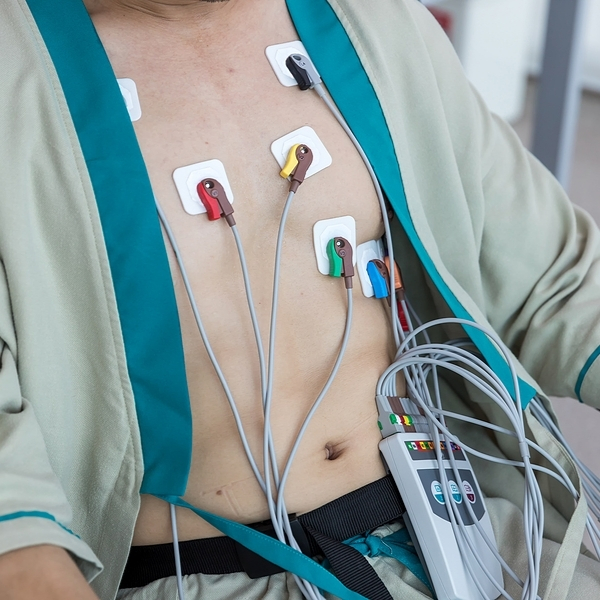
Holter and Event Monitoring in Springwood
Some heart rhythm problems come and go, which means a standard ECG taken in a clinic can easily miss them. Wearable heart monitors solve this by recording your heart rhythm continuously as you go about your normal life, from 24 hours up to 28 days depending on the device.
At Yarrabilba Cardiology & Specialist Centre, monitors are fitted on site by our team, and every recording is analysed and reported by our specialist cardiologists, with results sent promptly to your referring GP. Bulk billing is available for eligible patients with a valid Medicare referral.
Which Monitor Will I Have?
Why Your Doctor May Order Heart Rhythm Monitoring
- Palpitations, fluttering or a racing heart
- Unexplained dizziness, light-headedness or fainting (syncope)
- Detecting or ruling out atrial fibrillation, including after a stroke or TIA
- Checking how well treatment for a known arrhythmia is working
- Assessing slow heart rhythms or suspected pauses
- Investigating symptoms that a standard ECG has not explained
What Happens During the Test
A short appointment at our clinic where the electrodes and device are attached and everything is explained. Wear a loose, comfortable top.
Go about your normal daily routine. Normal activity matters, because the point is to record your heart during real life, not rest.
You will be asked to note the time and nature of any symptoms, such as palpitations or dizziness, so the cardiologist can match your symptoms to the recording.
Bring the device back at the arranged time. The recording is then downloaded and analysed.
Caring for the Monitor
Keep the device dry and follow the specific care instructions given at your fitting, including any instructions about showering, sleeping and skin care around the electrodes. Avoid magnets and keep mobile phones out of direct contact with the device.
Getting Your Results
Once the device is returned, the full recording is analysed and reported by one of our specialist cardiologists. The report goes to your referring GP, and significant findings are communicated as a priority. Depending on the results, next steps may include reassurance, medication, further monitoring, or a cardiology consultation to discuss treatment options for a confirmed arrhythmia.
Holter and Event Monitor FAQs
This depends on the device you are fitted with. You will be given specific instructions at your fitting appointment. If in doubt, keep the device dry and call our team.
This depends on the device you are fitted with. You will be given specific instructions at your fitting appointment. If in doubt, keep the device dry and call our team.
Yes. Sleep normally, as night-time recordings are often important, particularly for slow rhythms and pauses.
Light to moderate normal activity is encouraged, because the aim is to capture your heart during everyday life. Avoid activities that cause heavy sweating if advised at your fitting, as sweat can loosen the electrodes.
The recording is still valuable. It can reveal silent rhythm problems, and a normal recording during your usual routine is itself useful diagnostic information. For infrequent symptoms, a longer monitor such as the HeartBug may be recommended.
Bulk billing is available for eligible patients with a valid Medicare referral. Confirm your eligibility with our team when booking.
No. Some people notice mild skin irritation from the sticky electrodes. Tell our team if you have sensitive skin or an adhesive allergy so alternatives can be arranged.
Book a Heart Monitor
Have a referral for a Holter, event monitor or HeartBug? Contact our team to arrange your fitting at our Yarrabilba clinic.