
Coronary Heart Disease Management in Springwood

What Is Coronary Heart Disease?
Coronary heart disease occurs when the arteries supplying blood to the heart become narrowed, usually due to a build up of fatty plaque. This reduces blood flow to the heart muscle and can lead to symptoms such as chest pain, and in some cases, a heart attack. Our cardiologists assess and manage coronary heart disease, working with you to develop a treatment plan aimed at managing symptoms, reducing risk factors, and supporting your ongoing heart health. We accept referrals from any GP, and bulk billing is available for eligible patients with a valid Medicare referral.
What Happens During Ongoing Management
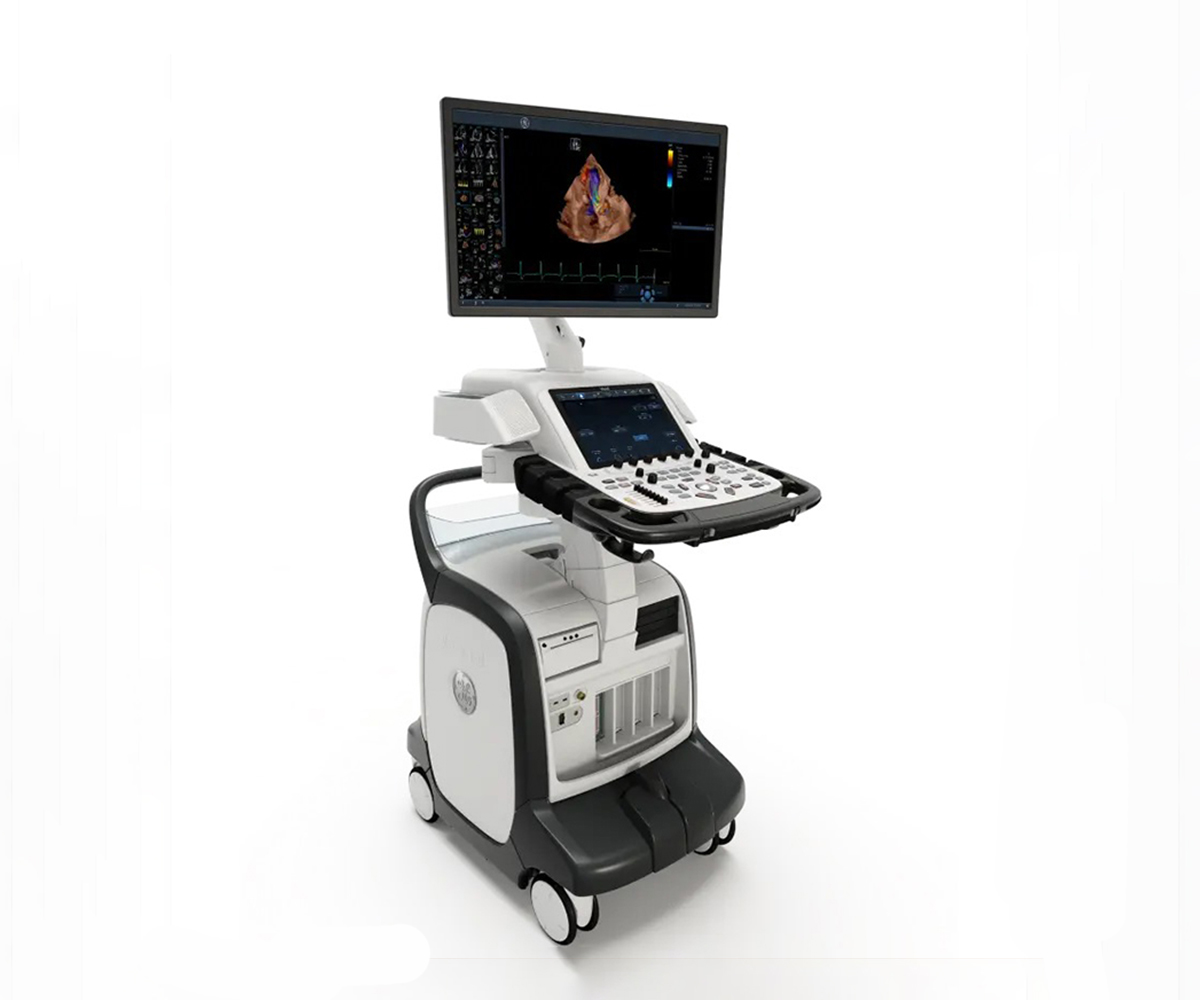
Your cardiologist will assess your symptoms, medical history and cardiovascular risk factors, and may recommend testing such as an echocardiogram, stress echocardiogram, or coronary CT angiogram to assess the extent of the disease. Based on your results, your cardiologist will discuss a management plan with you, which may include lifestyle changes, medication, or referral for further procedures where clinically appropriate. Regular review appointments help monitor your condition over time and adjust your management plan as needed.
When Is Coronary Heart Disease Management Recommended?
This service is for patients who have been diagnosed with coronary heart disease, or who are experiencing symptoms such as chest pain, breathlessness or fatigue that may indicate reduced blood flow to the heart. It is also appropriate for patients with significant risk factors, such as high blood pressure, high cholesterol, smoking, or a family history of heart disease, who require ongoing cardiovascular risk assessment.
Frequently Asked Questions
Yes. A referral from your GP or a specialist is required to claim a Medicare rebate for cardiology consultations related to coronary heart disease.
Bulk billing is available for eligible patients with a valid Medicare referral. Contact our clinic to confirm your eligibility before your appointment.
This depends on your individual circumstances. Common tests include echocardiograms, stress echocardiograms, and coronary CT angiogram or calcium score testing.
Many patients manage coronary heart disease through lifestyle changes and medication. Your cardiologist will discuss the most appropriate approach for your situation, including whether further procedures are needed.
This depends on your condition and how well it is controlled. Your cardiologist will recommend a review schedule suited to your circumstances.
Discuss Coronary Heart Disease Management
To arrange an assessment or ongoing management of coronary heart disease, ask your GP for a referral or contact our clinic directly on 07 3040 4414.